How hard water affects your plumbing
Hard water is a common issue that gradually wears on plumbing and household appliances. It contains elevated levels of dissolved minerals, primarily calcium and magnesium, which can form scale and other deposits over time. Knowing how hard water affects your systems helps homeowners protect their property and avoid unnecessary repair costs. This article covers the causes, typical effects on plumbing and appliances, and practical steps to reduce damage. It also explains how Quad Plumbing Solutions can help with focused plumbing services.
What causes hard water, and how does it impact plumbing systems?
Hard water forms when groundwater flows through soil and rock, picking up minerals such as calcium and magnesium. These dissolved minerals increase the water’s hardness. Over time, hard water can reduce pipe efficiency, harm fixtures, and increase the risk of costly failures if it isn’t addressed.
Which minerals contribute to water hardness and scale formation?
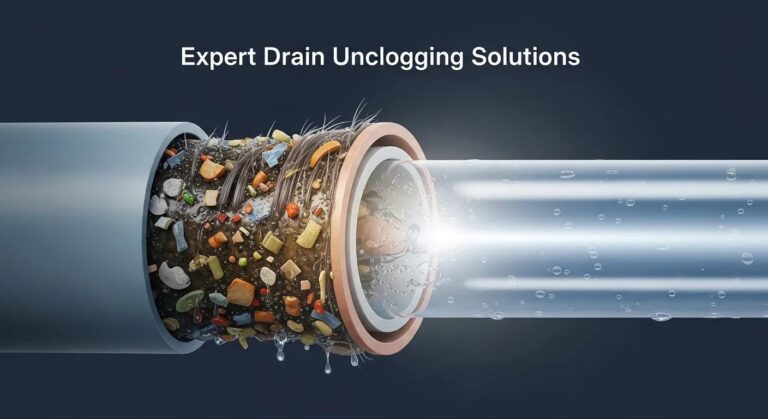
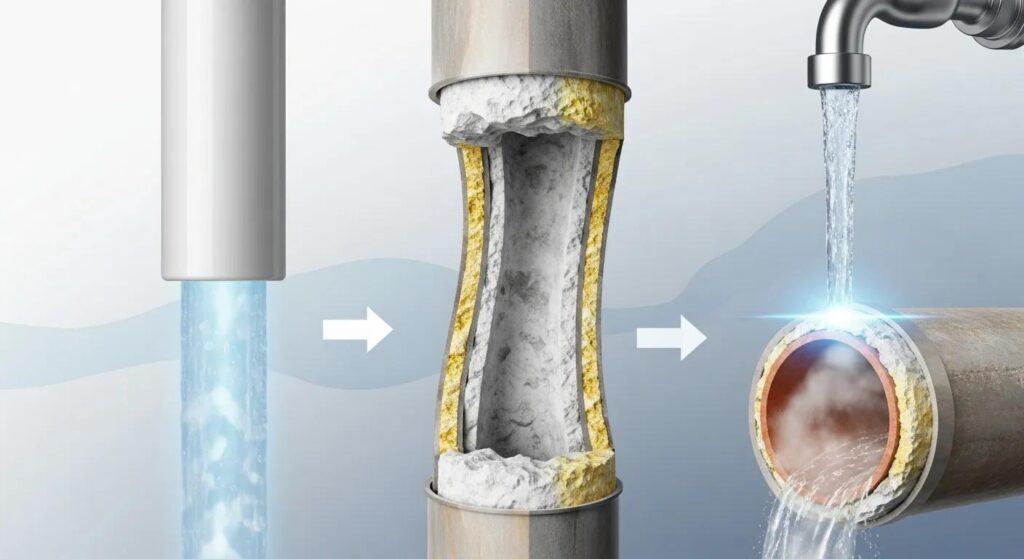
The main minerals are calcium and magnesium. When water is heated or evaporates, these minerals can precipitate, forming hard scale. Scale builds up inside pipes, taps and appliances, restricting flow and reducing performance. If left untreated, scale can cause severe deterioration and expensive repairs.
How does scale build-up damage pipes and cause plumbing corrosion?
Scale can coat heat exchanger surfaces, reducing heat transfer, so appliances need more energy to reach the desired temperature. Heavy build-up can narrow pipes and lower water pressure. In certain materials, mineral deposits can also accelerate corrosion by reacting with the pipe’s metal, potentially causing leaks and structural damage. Spotting these processes early means you can intervene before problems escalate.
The effects of scale and corrosion extend beyond individual properties, creating broader economic and public health challenges.
How Hard Water Harms Heating Appliances and Home Equipment
Hard water lowers the efficiency and service life of heating appliances and other household equipment. Mineral deposits accumulate on components, degrading performance and increasing repair and maintenance costs. Commonly affected appliances include water heaters, dishwashers, and washing machines.
How does mineral deposit accumulation reduce appliance efficiency?
Mineral deposits cling to heating elements and vital parts, acting as an insulating layer. That raises heat-up times and forces appliances to use more energy, increasing running costs. Regular maintenance and descaling help, but treating the underlying hardness is a longer-term solution.
What signs indicate hard water damage in boilers and heating systems?
Common signs include kettling noises from boilers, caused by scale on heating elements, and cold spots on radiators that show uneven heating. These symptoms indicate it’s time for an inspection and prompt maintenance to avoid further damage.
How can water softening systems prevent scale and protect plumbing?
Water softening systems reduce scale by removing hardness ions from the water. Most systems replace calcium and magnesium with sodium or potassium ions, which prevents scale formation and helps restore efficiency in plumbing and appliances.
What types of water softeners are effective against hard water?
Typical options include ion-exchange systems, salt-free conditioners, and reverse osmosis units. Ion exchange is generally the most effective at removing hardness minerals. Salt-free systems condition water to limit scale without removing minerals. Reverse osmosis can reduce hardness but is primarily used for purification and drinking water treatment. The best choice depends on your household’s needs and priorities.
Research supports the effectiveness of several water-conditioning approaches, including no-salt alternatives, for reducing scale in certain conditions.
How does the installation of water softening systems improve appliance lifespan?
Fitting a water softener cuts scale-related wear, so appliances run more efficiently and last longer. That typically reduces energy use and repair frequency, giving homeowners greater reliability and lower operating costs.
What maintenance practices help mitigate hard water damage?
Regular maintenance is essential to limit hard water damage. A proactive routine preserves system efficiency and extends equipment life.
Which scale prevention methods are recommended for plumbing systems?
To limit scale, homeowners should adopt these measures:
- Regular Descaling: Schedule routine descaling of appliances and plumbing fixtures to remove mineral deposits.
- Water Softening Systems: Install a water softener to reduce water hardness in the supply.
- Routine Inspections: Conduct regular inspections of plumbing systems to identify and resolve potential issues early.
How should appliances be maintained to resist hard water effects?
Good appliance care reduces the impact of hard water. Homeowners should:
- Monitor Performance: Track appliance performance and act quickly on any signs of inefficiency.
- Use Quality Detergents: Choose detergents formulated for hard water to improve cleaning results.
- Follow Manufacturer Guidelines: Stick to manufacturer-maintenance recommendations to keep appliances working well.
How does Quad Plumbing Solutions provide reliable plumbing services for hard water issues?
Quad Plumbing Solutions provides plumbing services designed to address hard water problems. Our approach combines expert assessment, the right water-conditioning solutions and ongoing maintenance to protect household systems.
What expertise does Quad Plumbing Solutions offer in water softening and scale prevention?
Quad Plumbing Solutions installs and services water softeners and other scale-prevention measures. Our technicians assess local water conditions, recommend the most suitable system and carry out routine maintenance to keep systems performing efficiently.
How can customers request quotes and schedule maintenance services?
Customers can request quotes or book maintenance by contacting Quad Plumbing Solutions by phone at 07480 419 072 or by email at info@quad-solutions.co.uk. Our team will talk through options and arrange the required service.
Conclusion
Understanding hard water and using targeted solutions, such as water softening and planned maintenance, will improve system efficiency and extend appliance life.
Quad Plumbing Solutions offers expert, tailored support to help homeowners manage hard water risks. Get in touch to discuss the best options for your property.