Mastering Leaky Tap Repairs
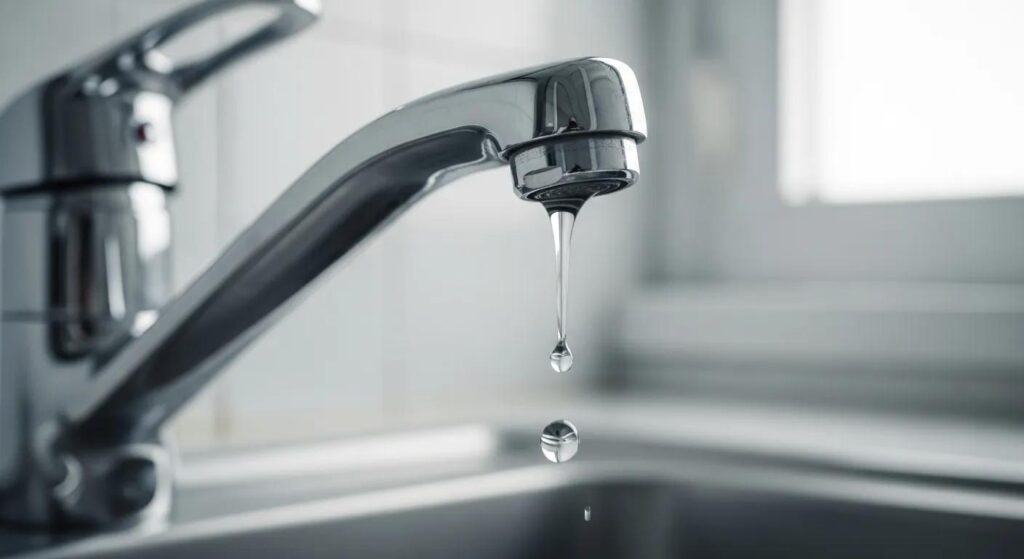
A dripping tap wastes water and pushes up your bills. Knowing how to find and fix the problem saves money and conserves water. This guide walks through common causes, how to diagnose a leak, step-by-step repairs, when to call a professional, typical costs, and the benefits of modern water-saving technology. By the end you’ll have clear, practical steps to stop the drip.
Common causes of tap leaks
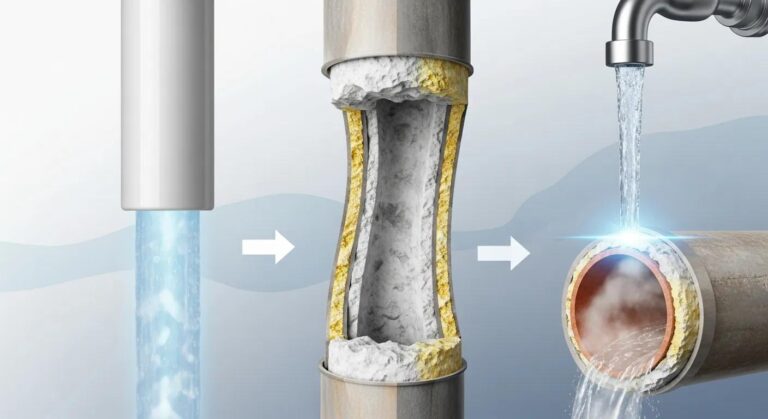
Most leaks come from worn small parts. Typical issues include degraded washers and O-rings, loose fittings, and internal corrosion. Pinpointing the root cause makes the repair simpler and helps prevent further damage.
Why worn washers and O-rings make taps drip
Washers and O-rings create the basic watertight seals in many taps. As they age, they can flatten, crack or lose their shape and no longer seal properly – letting water escape as a slow drip. Left unchecked, these small leaks add up on your water bill.
Cartridges and valve seats: what to watch for
Cartridges and valve seats regulate flow and sealing in many modern tap designs. A damaged cartridge can affect water control, and a worn valve seat may no longer seal correctly. Regular checks and timely replacement extend the life of the tap and reduce the chance of leaks returning.
Diagnosing and fixing a dripping kitchen tap
Work through a simple, step-by-step approach to find where the leak is coming from. These checks will tell you whether the repair is a straightforward DIY job or needs a professional touch.
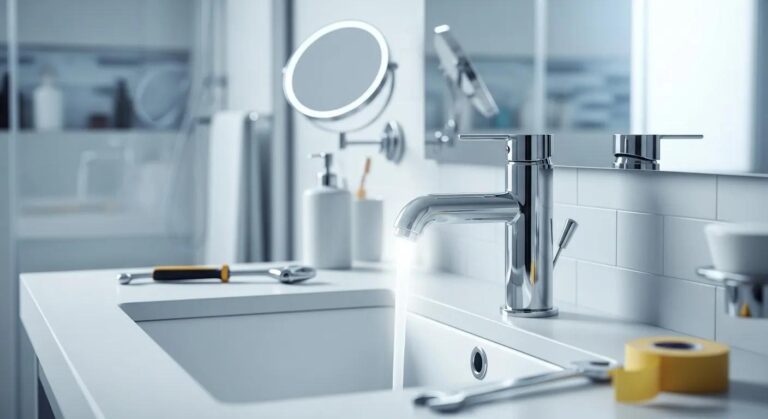
Tools you’ll need to replace a washer
To replace a tap washer, have these basic tools on hand:
- Adjustable spanner: For loosening and tightening nuts.
- Screwdrivers: Both flathead and Phillips to remove handles and trim screws.
- Replacement washer: Make sure you use the correct size for your tap model.
Having the right tools to hand makes the job quicker and reduces the chance of mistakes.
Step-by-step: repairing a leaky tap
Follow this sequence to repair most simple leaks:
- Turn off the water supply: Locate the shut-off valves under the sink and close them before you start.
- Disassemble the tap: Remove the handle and any trim with your screwdriver to access internal parts.
- Inspect and replace components: Check the washer, O-ring and cartridge for wear and swap out any damaged parts.
- Reassemble and test: Put the tap back together, turn the water on and check for leaks.
Work methodically through these steps to restore the tap and confirm the drip has stopped.
When to call a professional
Many tap problems are suitable for a confident DIYer, but certain signs mean it’s time to call a plumber. Getting help early can prevent more costly damage.
Signs you need expert help
Contact a professional if you notice:
- Visible damp patches: Water stains on walls or ceilings can indicate a more serious leak behind the surface.
- Unexplained rise in water bills: A sudden increase in your bill may indicate a hidden leak.
- Active leaks: If water keeps dripping after you’ve attempted repairs, call an expert.
How Quad Plumbing Solutions delivers prompt, reliable service
At Quad Plumbing Solutions, we specialise in plumbing and offer fast, trustworthy help for household issues. Our experienced team is available 24/7 for emergencies and provides practical, long-lasting solutions for problems like leaky taps. Choose Quad Plumbing Solutions for efficient, professional service you can rely on.
Estimated costs for fixing or replacing a tap
Knowing typical costs helps you budget and pick the right option. Final prices depend on the tap type and the extent of the repair.
How repair costs vary by tap type and leak severity
Emergency call-outs may add extra fees, so factor those in when budgeting. Emergency plumbing may add extra fees, so factor those in when budgeting.
Transparent pricing and customer satisfaction guarantees
We prioritise clear pricing and customer satisfaction. Quad Plumbing Solutions provides straightforward cost information and written estimates before any work begins, so you know what to expect and can approve the job with confidence.
How water-saving tap technologies help
Water-saving taps reduce consumption, lower the risk of leaks, and cut household bills. These products deliver both environmental and financial benefits.
Smart leak detection systems and their benefits
Smart leak detectors monitor water use and alert you to unusual flow patterns early. Early warnings limit damage and give peace of mind by spotting problems before they get worse.
Implementing leak detection and other water-management tools helps households manage resources more effectively.
How water-efficient taps contribute to conservation
Water-efficient taps are designed to use less water without compromising performance. They cut waste, support sustainability and can reduce household water bills. Choosing efficient fixtures is a practical way to lower consumption.
Research highlights the measurable impact water-efficient taps can have on both water and energy use in buildings.
Save Money and Water: Key Takeaways for Fixing Your Leaky Tap
Fixing a leaky tap saves money and helps conserve water. Understanding the common causes and following clear repair steps lets you resolve most problems yourself, and professional help is available when you need it. Visit our resources for more practical tips and solutions to keep your home running smoothly.