Emergency Frozen Pipe Thawing & Prevention UK: How to Protect and Repair Your Home Plumbing
Pipes freeze when the water inside them turns to ice, expands, and puts intense pressure on the pipework – a situation that frequently leads to splits, bursts, and costly water damage. In the UK, sub-zero outdoor temperatures, exposed pipe runs and low indoor heating combine to create the ideal conditions for freezing. This guide shows you how to spot early warning signs, thaw pipes safely, and use straightforward prevention measures to cut the risk of bursts. Read on to understand why pipes freeze, sensible DIY thawing steps with safety notes, and when it’s time to call an emergency plumber. You’ll also find practical prevention tips – from pipe lagging options in the UK and thermostat tactics to protecting external fittings – and clear actions to limit damage after a burst. Throughout, we use terms like frozen pipes, thaw pipes, pipe lagging UK, and emergency plumber Surrey, so you can act before a small freeze becomes an expensive repair.
The damage caused by freeze/thaw cycles to plumbing is well known and can quickly lead to serious failures if left unchecked.
What Causes Pipes to Freeze and How Can You Identify Them Early?
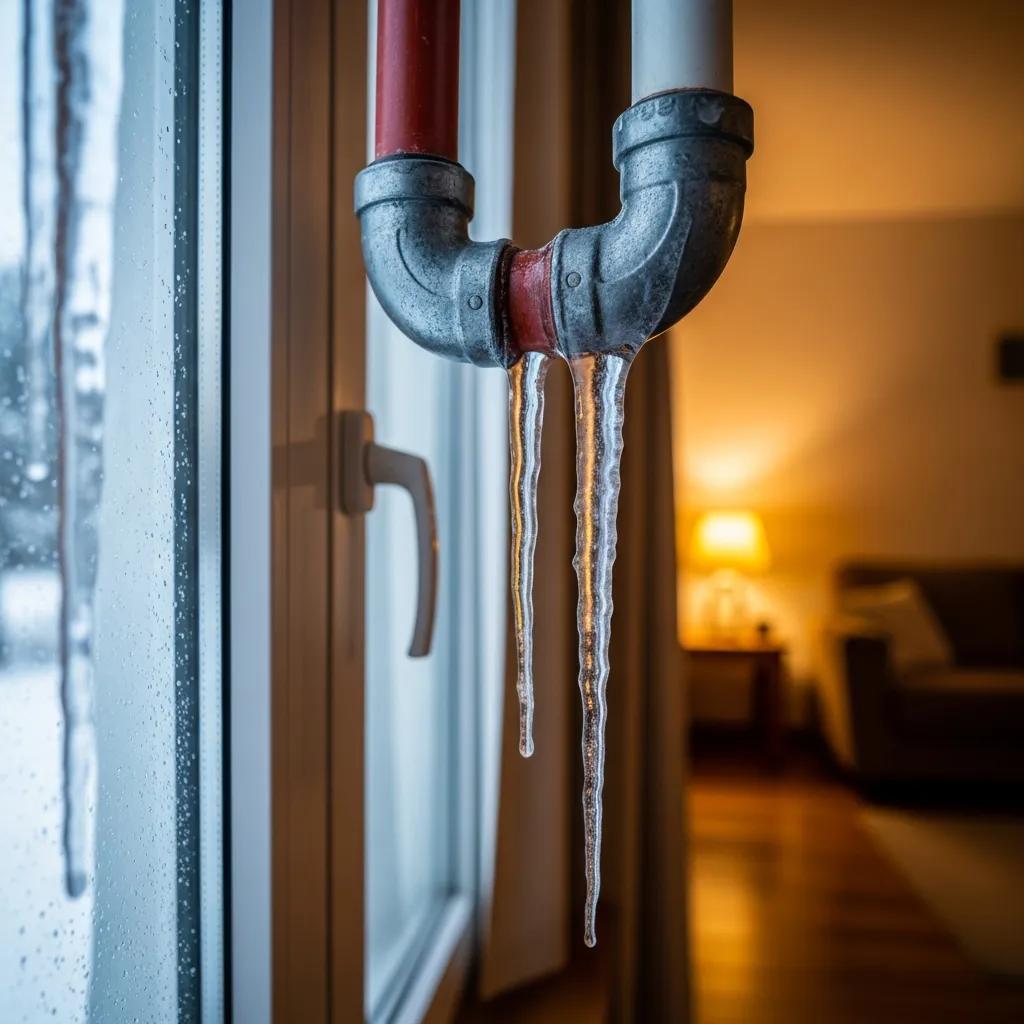
Pipes freeze when the water inside reaches and turns to ice, creating a blockage and raising internal pressure. Cold sections freeze first – usually where heat loss is greatest. In short, the pipe loses heat to the surrounding air faster than your home can replace it; the resulting ice plug both prevents flow and forces expansion that stresses joints and pipe walls. Spotting a freeze early reduces the chance of a burst and lets you control the thaw. The best early-detection checks are visual inspections, flow tests and listening for unusual noises. The bullet list below summarises common causes and a simple checklist you can use at home.
- Temperature thresholds: pipes left in prolonged sub-zero conditions are most at risk.
- Exposure points: unheated lofts, external walls, garages and shallow external runs lose heat fastest.
- Behavioural drivers: very low thermostat settings or switching heating off for long periods allow pipe temperatures to drop.
Early detection checklist:
- Check several taps for reduced flow or sputtering – this often indicates a local freeze.
- Inspect lofts, garages and external walls for cold pipes or visible frost.
- Listen for banging, gurgling or odd noises when you turn taps on.
Use these quick checks during cold snaps before you attempt any thawing; they also help you identify which parts of the home need protection first.
Which Conditions Lead to Frozen Pipes in UK Homes?
Frozen pipes in UK homes result from a mix of weather, building construction, and heating habits that create vulnerable pipe runs. Long cold snaps with overnight temperatures below freezing raise the risk, especially when wind chill strips heat from external walls and exposed pipework. House type matters: terraced properties with internal pipe routes are often less exposed than older detached or semi-detached homes, where loft insulation may be thin and external walls host more pipework. Energy-saving habits like winding the thermostat down overnight or turning the heating off while away can lower internal pipe temperatures enough to cause freezing. Being aware of these factors helps you decide where to insulate and when to keep a small flow of water moving.
What Are the Common Signs of Frozen Pipes to Watch For?
Common signs of frozen pipes are usually easy to spot and don’t need specialist tools. If one tap has little or no water while others are fine, the section between the tap and the supply is likely frozen. Look for frost, condensation or ice on exposed pipes and external taps or meters; touching pipes to check for cold spots is a simple test. Noisy symptoms – banging, gurgling, or high-pitched water hammer when you turn a tap on – can indicate a partial ice blockage and rising pressure, which increases the risk of a burst.
Check for these signs regularly during cold weather so you can thaw safely or call a pro when needed.
Emergency Frozen Pipe Thawing & Prevention: Protect Your Home Plumbing
Thawing frozen pipes safely means warming them slowly and under control so pressure is relieved and flow returns without thermal shock. First, open the affected tap to let water and steam escape, then apply heat from the tap back toward the frozen section so the melt moves toward the open outlet. Safe DIY tools include a hairdryer, hot towels or an electric space heater; never use naked flames or high-temperature devices that can damage insulation or plumbing. The table below compares common thawing methods so you can pick the right one for your location and access.
Historical records show that thawing long or complex pipework installations has always been challenging, which is why timely, sensible methods are important.
Different thawing techniques have pros and cons depending on pipe location and accessibility.
Choose the method that matches your access and safety comfort; if pipes are inaccessible, you see leaks, or electricity is nearby, call a professional rather than risking DIY.
What Are Safe DIY Techniques for Thawing Frozen Pipes?
Safe DIY thawing focuses on steady heat, proper preparation, and avoiding electrical risks. Gather a hairdryer, a bowl of hot water, towels, insulating gloves and a bucket. Open the nearest tap, then heat the pipe from the tap back towards the frozen section in steady moves. Never use a naked flame or blowtorch – they can damage fittings and start fires. If you smell gas, spot severe corrosion or are unsure about electrical proximity, stop and call a professional – these situations need specialist tools or isolation.
When Should You Call an Emergency Plumber for Pipe Thawing?
Call an emergency plumber when thawing is risky or beyond safe DIY – for example, when pipe runs are inaccessible, damage is visible, a blockage won’t clear, or water is dangerously close to electrics. Specific triggers include frozen pipework inside walls or under floors, no progress after safe DIY attempts, new leaks or cracks appearing during thawing, and any electrical hazards. Emergency plumbers can isolate water mains, use specialist thawing equipment and make temporary repairs if a burst is found.
Quad Plumbing Solutions offers 24/7 emergency response across Surrey and Hampshire for issues that need professional escalation and rapid containment.
| Thawing Method | Speed | Safety / Accessibility | Recommended Scenario |
|---|---|---|---|
| Hairdryer | Moderate | Safe for exposed indoor runs when used with care | Small sections in bathrooms or kitchens |
| Hot towels / hot water | Slow | Very safe; needs repeat application and monitoring | Shallow pipes and minor freezes close to taps |
| Electric space heater | Moderate | Works well in small rooms; keep clear of combustible items | Freezing in garages or unheated rooms with power sockets |
| Heat tape / heating cable | Fast when powered | Professional installation recommended for safety and longevity | Long external runs and exposed outdoor pipes |
| Professional pipe thawing service | Variable (often fast) | Safest for hidden or behind-wall freezes; reduces damage risk | Pipes inside walls, under floors or after failed DIY attempts |
What Are the Best Strategies to Prevent Pipes from Freezing During Winter?
Preventing frozen pipes is about reducing heat loss, keeping a minimum temperature and protecting vulnerable fittings. A layered approach – combining pipe lagging, targeted insulation and, where needed, trace heating – gives the best protection. Regular practices such as keeping a low thermostat setting, opening cupboard doors under sinks to let warm air reach the pipework, and running a small trickle of water during severe cold can prevent standing water from freezing. The table below compares common insulation options so you can decide what suits each part of your home.
Modern tools like heat tape are proven solutions for vulnerable runs when installed and used correctly.
Balancing cost and practicality is key. In many homes, basic foam lagging paired with professional trace heating on the coldest runs delivers robust protection.
How Does Pipe Insulation Protect Against Freezing?
Pipe insulation works by slowing heat loss from the pipe to the surrounding colder air, helping the water inside stay above freezing for longer. Foam sleeves (pipe lagging) provide a passive thermal barrier, while trace heating adds controlled warmth where insulation alone isn’t enough. Good installation covers joints, bends and valves and protects loft and external runs where heat loss is greatest. Check and replace damaged lagging before winter so insulation keeps working when you need it most.
Which Home Heating Practices Help Prevent Frozen Pipes?
Good heating practices combine a steady baseline temperature, even heat distribution and targeted measures where pipes are most vulnerable. Keep a consistent minimum temperature during cold spells rather than switching heating on and off. Open cupboard doors under sinks to let warm air reach pipework, and consider running a small amount of hot water through at intervals during severe cold. Thermostatic radiator valves and smart thermostats can help prioritise heat to rooms with exposed pipes and alert you to dangerous drops in temperature.
| Insulation Option | Thermal Performance | Installation Complexity | Best Use Case |
|---|---|---|---|
| Foam sleeve (pipe lagging) | Good for short runs | Low – easy DIY fit | Internal exposed pipes in lofts and behind cupboards |
| Mineral wool around pipes | Moderate | Medium – needs protective casing | Larger-diameter pipes in lofts and roof spaces |
| Heat trace cable / heating tape | High when powered | High – professional installation recommended | Long external runs and vulnerable outdoor pipes |
| External tap covers | Low to moderate | Low | Outdoor spigots and garden taps |
| Insulating jackets for tanks | Moderate to high | Medium | Hot water cylinders and tank connections |
How to Handle Burst Pipes: Emergency Repair and Damage Prevention
When a pipe bursts, quick, calm action protects people and property and limits the scale of repairs. First, shut off the main water supply and open taps to drain pressure. If water has reached sockets or appliances, only isolate electrics if it’s safe – otherwise leave this to a qualified electrician. Contain the leak with buckets, towels, and tarpaulins, move furniture and valuables away from floodwater, and document damage for insurance purposes. Professional repair usually involves locating and isolating the damaged section, providing a temporary emergency fix or a permanent replacement, and arranging drying and dehumidification to reduce the risk of mould.
The table below summarises urgent actions, their impact and how quickly they can be done so you can prioritise in an emergency.
This quick reference helps you decide what to do first and when to hand over to professionals. After stabilising the situation, arrange for drying and a full inspection to deal with hidden damp and mould.
What Immediate Actions Should You Take if a Pipe Bursts?
Follow this short sequence to keep people safe and limit damage while you await repairs.
- Turn off the main water supply to stop the flow. Then open nearby taps to drain remaining water and relieve pressure.
- If water has reached sockets or appliances, only isolate electrics if you can do so safely; if in doubt, keep clear and wait for an electrician when the area is dry.
- Contain the leak with buckets and towels, move carpets and furniture away from the water, and photograph the damage for insurance records.
These steps help stabilise the scene and make it easier for emergency plumbers to work when they arrive.
How Does Quad Plumbing Solutions Provide 24/7 Emergency Burst Pipe Repair?
Quad Plumbing Solutions offers round-the-clock emergency plumbing for leaks and burst pipes across Surrey and Hampshire, supplying fast local response and experienced technicians. Our emergency process focuses on rapid mobilisation within our service area, isolating and containing the issue on site and carrying out temporary or permanent repairs to stop further damage. Technicians will assess the failure, recommend the best repair route, and advise on drying and next steps. For homeowners in the region, using a local 24/7 provider like Quad Plumbing Solutions means faster containment and repairs when DIY isn’t safe or effective.
| Emergency Action | Effect | Time-to-Complete | Immediate Benefit |
|---|---|---|---|
| Shut off main water | Stops incoming water | < 1 minute | Prevents further flooding |
| Open taps to drain | Relieves pressure | 1–5 minutes | Reduces chance of additional bursts |
| Contain with towels/buckets | Localises water spread | 2–10 minutes | Protects floors and belongings |
| Isolate electrics (if safe) | Removes electrical hazard | 2–10 minutes | Prevents risk of electrocution or fire |
| Call emergency plumber | Professional repair and containment | Variable | Rapid mitigation by qualified specialists |
What Local Factors Affect Frozen Pipe Risks in Surrey and Hampshire?
Local risk factors in Surrey and Hampshire include weather patterns, typical housing construction and common installation practices – all of which influence which pipe runs are most vulnerable. Long cold snaps and sudden freezes raise the number of frozen-pipe incidents, while variations in loft insulation and older external-wall pipework create predictable weak points. Microclimates, prevailing winds and lower night-time temperatures in exposed areas also change where freezing is most likely. Knowing these local tendencies helps you target insulation and monitoring where it matters most.
How Do Local Weather Patterns Influence Pipe Freezing?
Weather affects pipe freezing through how long and how low temperatures fall, and by shaping wind and night-time cooling that speed heat loss from outside-facing pipework. Extended overnight freezes are worse than short daytime dips because pipes lose heat for longer. Wind chill can make external walls and uninsulated lofts colder, and sudden cold snaps after mild weather often catch homeowners unprepared. Monitoring forecasts and pre-emptively boosting baseline heating or adding insulation before a cold spell are practical steps to reduce local freeze incidents.
What Are Common Vulnerable Pipe Locations in UK Homes?
Vulnerable pipe locations commonly include loft and roof-space runs, pipes routed along external walls, unheated garages and shallow-buried external runs that lose heat quickly. Loft installations are often under-insulated and exposed to big temperature swings, so they are frequent trouble spots if lagging is missing or degraded. Pipes running through external walls or along cold corridors can be close to vents or draughts that accelerate cooling. Identifying these areas and applying targeted lagging, trace heating or rerouting where practical makes a big difference to winter resilience.
Where Can You Find Expert Advice and Services for Frozen Pipe Solutions?
Expert advice is available from industry guidance, local emergency plumbers and specialist installers who can assess insulation and respond to burst incidents. Trusted sources include professional associations and reputable local plumbing firms. If you live in Surrey or Hampshire and need local emergency support, Quad Plumbing Solutions provides 24/7 emergency response for leaks and burst pipes plus a full range of plumbing and hot water services. Our team understands regional vulnerabilities and can carry out insulation checks and emergency callouts when required. Below are concise reasons to consider our service, along with a note about customer case summaries.
- 24/7 emergency availability for urgent leaks and burst-pipe response.
- Local coverage across Surrey and Hampshire, so we know typical regional issues.
- Full plumbing and hot water services to resolve related problems.
This summary explains why a local, round-the-clock provider is often the best option for both emergency response and planned prevention work.
Why Choose Quad Plumbing Solutions for Emergency Frozen Pipe Services?
Choose Quad Plumbing Solutions for fast, local emergency care in Surrey and Hampshire. We combine 24/7 availability, practical regional knowledge and a broad service range covering emergency response, temporary repairs and long-term prevention. For homeowners seeking quick containment and a clear path from emergency repair to prevention, working with a local specialist ensures continuity and reliable follow-up.
What Customer Success Stories Highlight Our Expertise?
Where available, publish short, factual case summaries showing the incident action outcome. A good template lists the incident type (frozen or burst pipe), the immediate response, the repair or mitigation performed and the final result for the customer. These concise stories build trust without inventing details – and we recommend anonymised examples to show real outcomes from our emergency and prevention work.
Conclusion
Knowing how to prevent and address frozen pipes protects your home from costly water damage. With the right insulation, sensible heating habits and a clear plan for emergencies, you can significantly reduce the risk of bursts this winter. Don’t wait for a freeze – get advice and support now.
Contact Quad Plumbing Solutions for tailored guidance and 24/7 emergency help across Surrey and Hampshire.